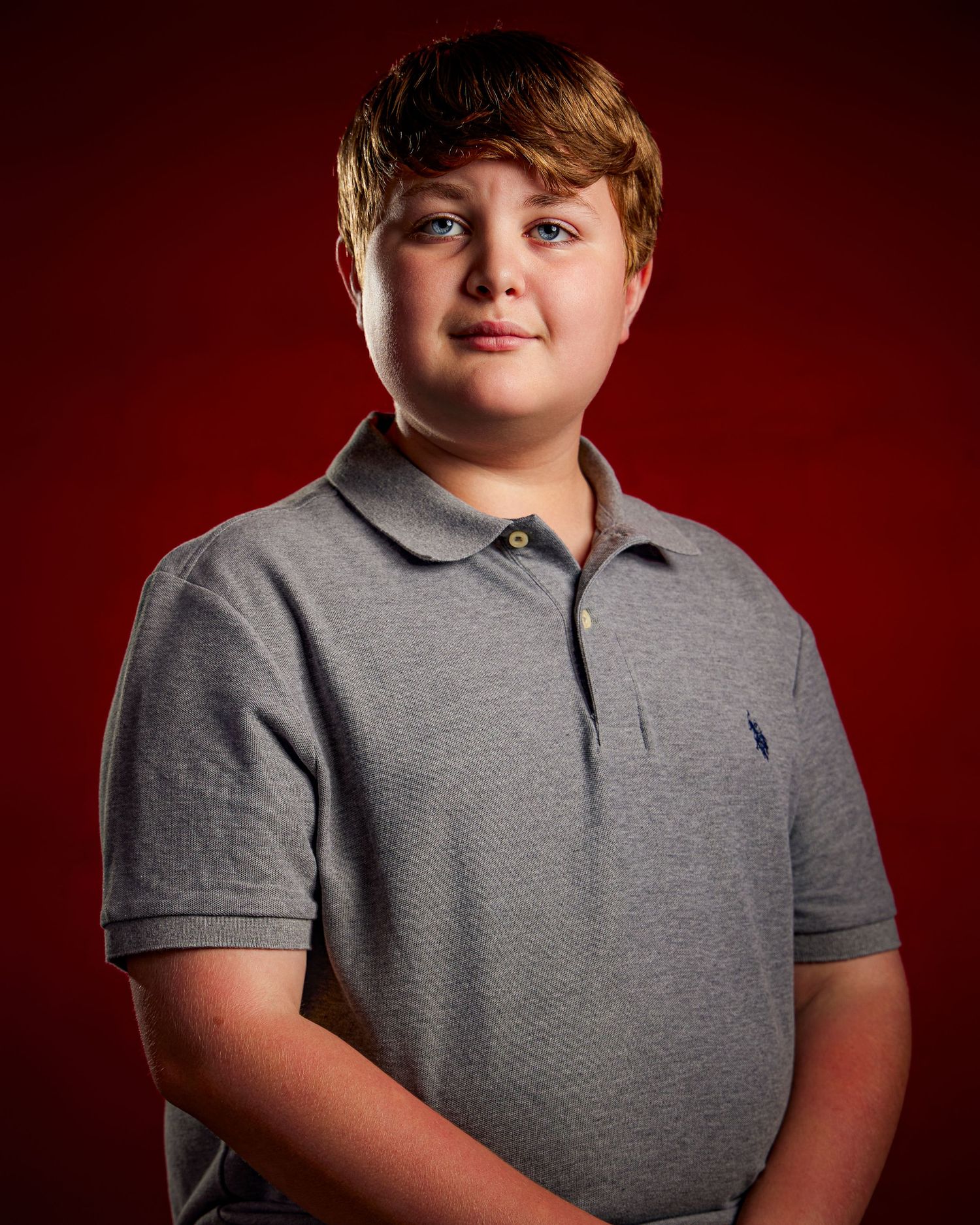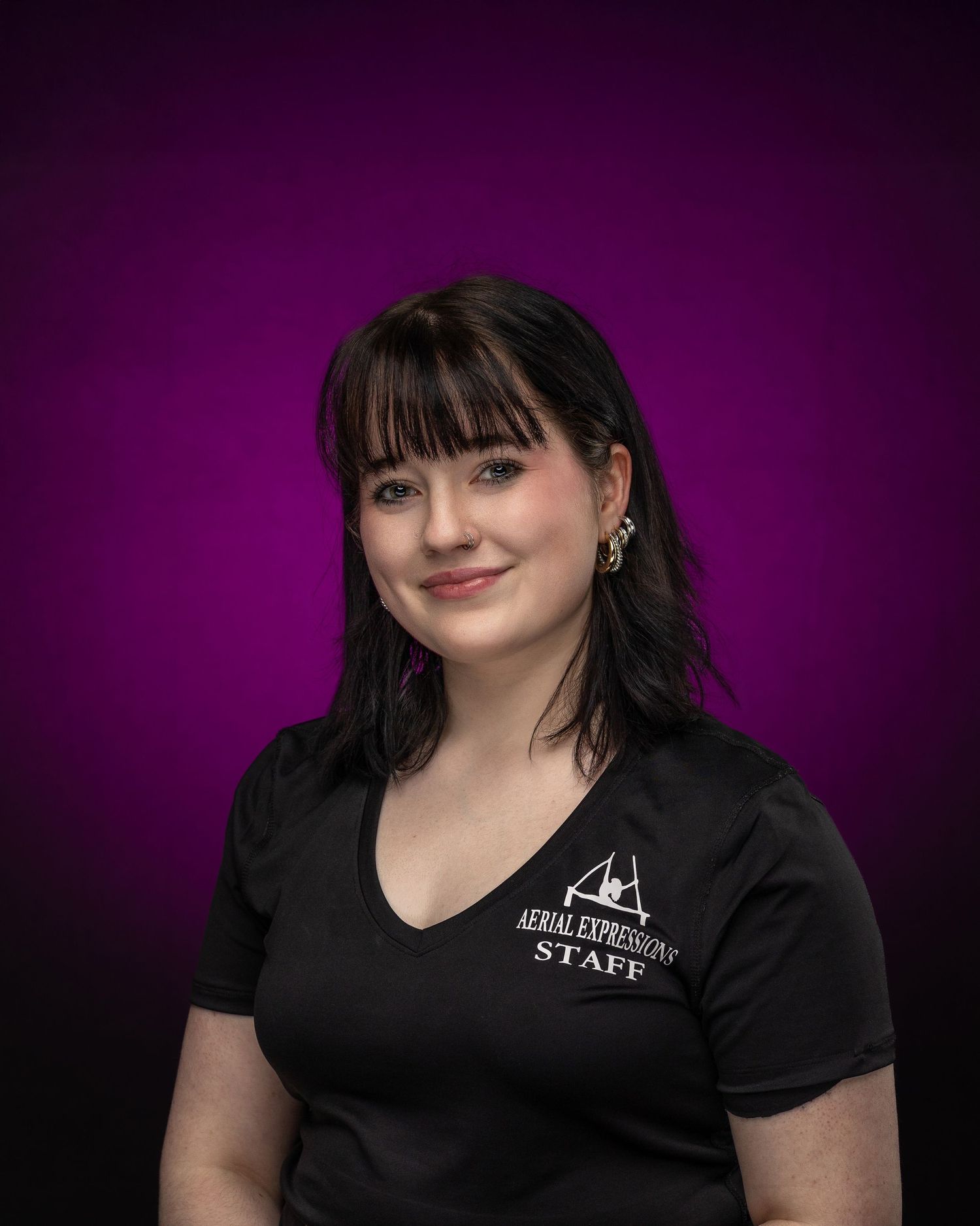
Most people who say they hate being photographed don’t actually hate cameras.
They hate how being photographed makes them feel.
That feeling usually shows up fast. Tight shoulders. Forced posture. A face that looks like it’s waiting to be judged.
And once that happens, it doesn’t matter how good the camera is or how expensive the lens was. The discomfort shows up in the image.
Over time, I’ve realized that photographing people who aren’t comfortable in front of a camera has very little to do with confidence
and almost everything to do with control. When someone feels like they don’t know what to do with their body, their face follows.
When they feel exposed, they brace. When they feel rushed, they perform.
My job isn’t to fix any of that. It’s to remove the reasons it shows up in the first place.
The first thing I pay attention to is positioning, not posing. I don’t start at the face. I start at the feet.
Where the weight is. Which direction the body is turned. Whether the stance feels stable or awkward.
Most tension in a face comes from uncertainty lower down. Once someone feels balanced and grounded,
their expression settles on its own. No instructions needed.
Lighting matters more than most people realize, not because it hides anything, but because it changes how exposed someone feels.
Flat, harsh, or straight-on light makes people feel like they’re being examined. Softer light with direction gives shape without scrutiny.
It creates shadows that feel natural instead of revealing. People relax when the light isn’t asking them to defend themselves.
Expressions are the last thing I worry about, and I almost never ask for them directly.
Telling someone to smile or relax usually does the opposite. What works better is giving them somewhere to look, then letting them look away.
Letting the moment breathe. The best expressions usually happen in the pause, not when the shutter is firing continuously.
Silence plays a bigger role than most photographers are comfortable admitting. Constant chatter keeps people “on.” It keeps them performing.
Sometimes the most helpful thing I can do is stop talking, make a small adjustment, and give them a second to exist without instruction.
That’s often when the image shows up.
One thing I avoid is leaning on compliments as a solution. Telling someone they look great can actually make a self-conscious person more aware of themselves.
Instead, I focus on the process. I adjust the light. I change the angle. I say things like “that works” or “this angle reads better.”
The success belongs to the setup, not the person trying to live up to it.
What people don’t always realize is that feeling comfortable in front of a camera isn’t a personality trait. It’s a condition.
When the environment is right, when the light is forgiving, when the direction is clear and unhurried, most people photograph beautifully
without trying to be anything other than themselves.
That’s the goal every time. Not to convince someone they’re photogenic. Just to remove the obstacles that make them feel like they’re not.
If someone walks away from a session thinking, “That wasn’t nearly as bad as I thought,” then I’ve done my job.
And if the images reflect ease instead of effort, even better.
That’s where the real portraits come from.